Debunking Myths: Understanding Small Commodity Wholesale


Understanding Small Commodity Wholesale
Small commodity wholesale might seem straightforward at first glance, but it involves a range of complexities that are often misunderstood. In this post, we'll explore and debunk some common myths associated with this unique sector. By the end, you'll have a clearer understanding of what it truly entails.

Myth 1: Small Commodities Mean Small Profits
One of the most prevalent myths is that small commodities inherently lead to small profits. However, the reality is quite different. The wholesale market for small commodities is vast and diverse, encompassing everything from stationery to kitchen gadgets. The key to profitability lies in volume and strategic sourcing.
Businesses can leverage economies of scale by purchasing in bulk, which reduces costs and increases profit margins. Moreover, the demand for small commodities is often high due to their everyday use, making them a staple in retail and online marketplaces.
Myth 2: Quality is Often Compromised
Another misconception is that small commodities are of lower quality. While it's true that low-cost items can sometimes have quality issues, reputable wholesalers prioritize quality control. They work closely with manufacturers to ensure products meet specific standards and certifications.

Buyers should conduct thorough research and partner with trusted wholesalers who have a proven track record. This not only ensures quality but also builds long-term business relationships that are beneficial for both parties.
Myth 3: Limited Opportunities for Customization
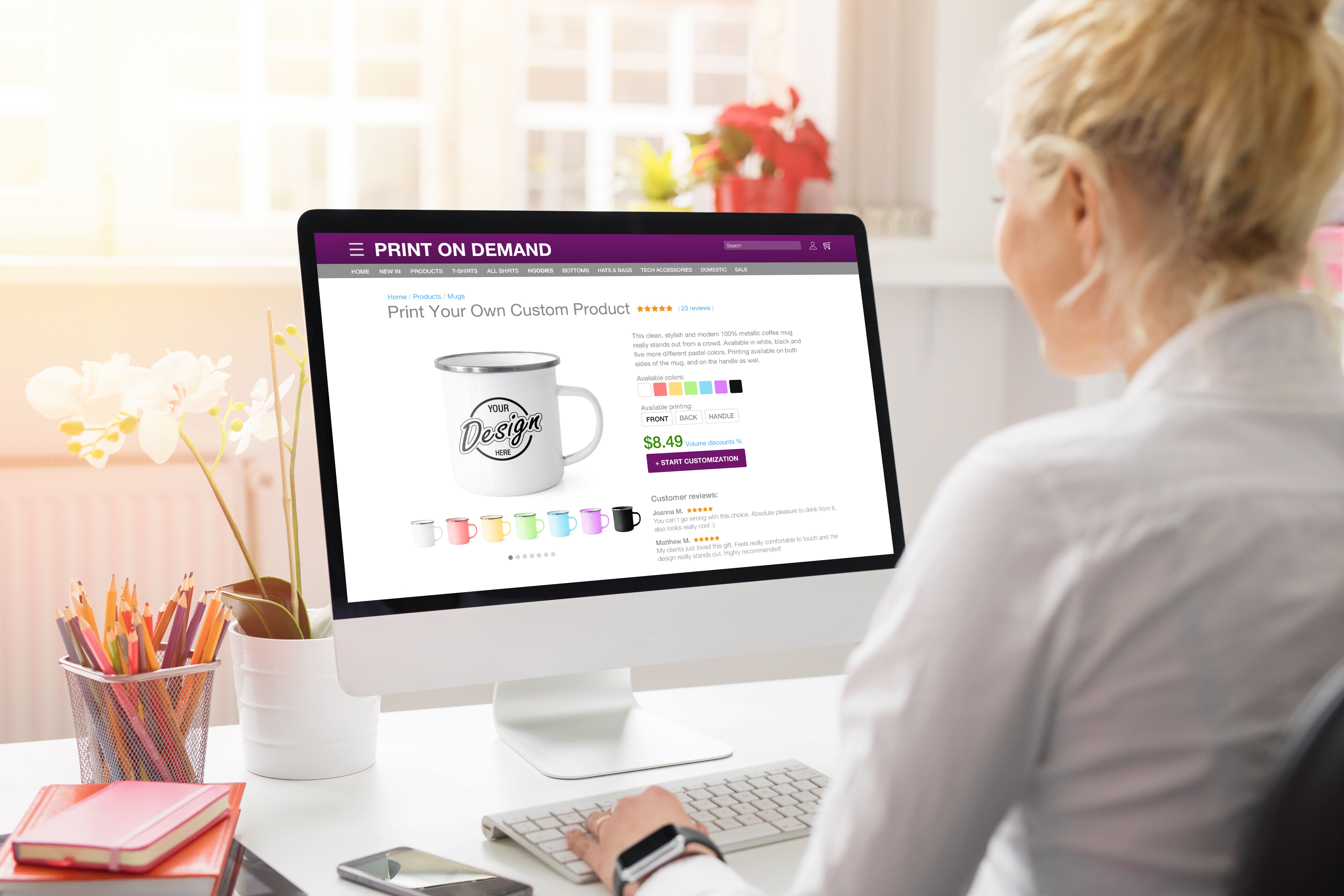
Many believe that small commodities offer limited customization options. However, the opposite is often true. Wholesalers frequently provide opportunities for customization, allowing businesses to differentiate their products in the market. This can include branding, packaging, or even slight modifications to the product itself.
Customization can be a powerful tool for businesses looking to create a unique selling proposition. By working closely with wholesalers, businesses can develop products that align closely with their brand identity and customer preferences.
Myth 4: The Market is Saturated
Some assume that the small commodity wholesale market is saturated, leaving little room for new entrants. While competition is undeniable, there is always demand for new and innovative products. Staying ahead in this market requires creativity, market research, and an understanding of consumer trends.
Emerging trends and niche markets present opportunities for businesses willing to explore and innovate. By identifying gaps in the market or offering unique solutions, businesses can carve out a space for themselves.
Conclusion: Embracing the Opportunities
Understanding the realities of small commodity wholesale can open up a world of opportunities. By debunking these myths, businesses can approach this market with a more informed and strategic mindset. Whether it's through volume sales, quality assurance, or customization, the potential for growth and success in this sector is substantial.
For those willing to navigate its complexities, small commodity wholesale offers a viable and often lucrative business avenue. The key lies in leveraging knowledge, building strong partnerships, and staying attuned to market dynamics.