Expert Tips for Successful Commodity Trading in California


Understanding Commodity Trading
Commodity trading involves buying and selling raw materials or primary products, such as oil, gold, or agricultural goods. In California, this market is influenced by various factors including economic conditions, regulatory policies, and global demand. Mastering the basics is crucial for any trader looking to succeed in this dynamic environment.

Research and Education
Before diving into commodity trading, it’s essential to invest time in research and education. Understanding market trends, economic indicators, and geopolitical events can significantly impact your trading success. Consider subscribing to industry publications and attending seminars or workshops to enhance your knowledge.
Choosing the Right Broker
Selecting a reliable broker is a critical step in your trading journey. Look for brokers with a solid reputation, low fees, and user-friendly platforms. Additionally, ensure they offer access to the commodity markets you are interested in, such as energy, metals, or agricultural products.

Developing a Trading Strategy
A well-defined trading strategy is essential for success. Start by setting clear goals, whether they are short-term gains or long-term investments. Decide on the types of commodities you want to trade and the timeframe that suits your lifestyle and risk tolerance.
Risk Management
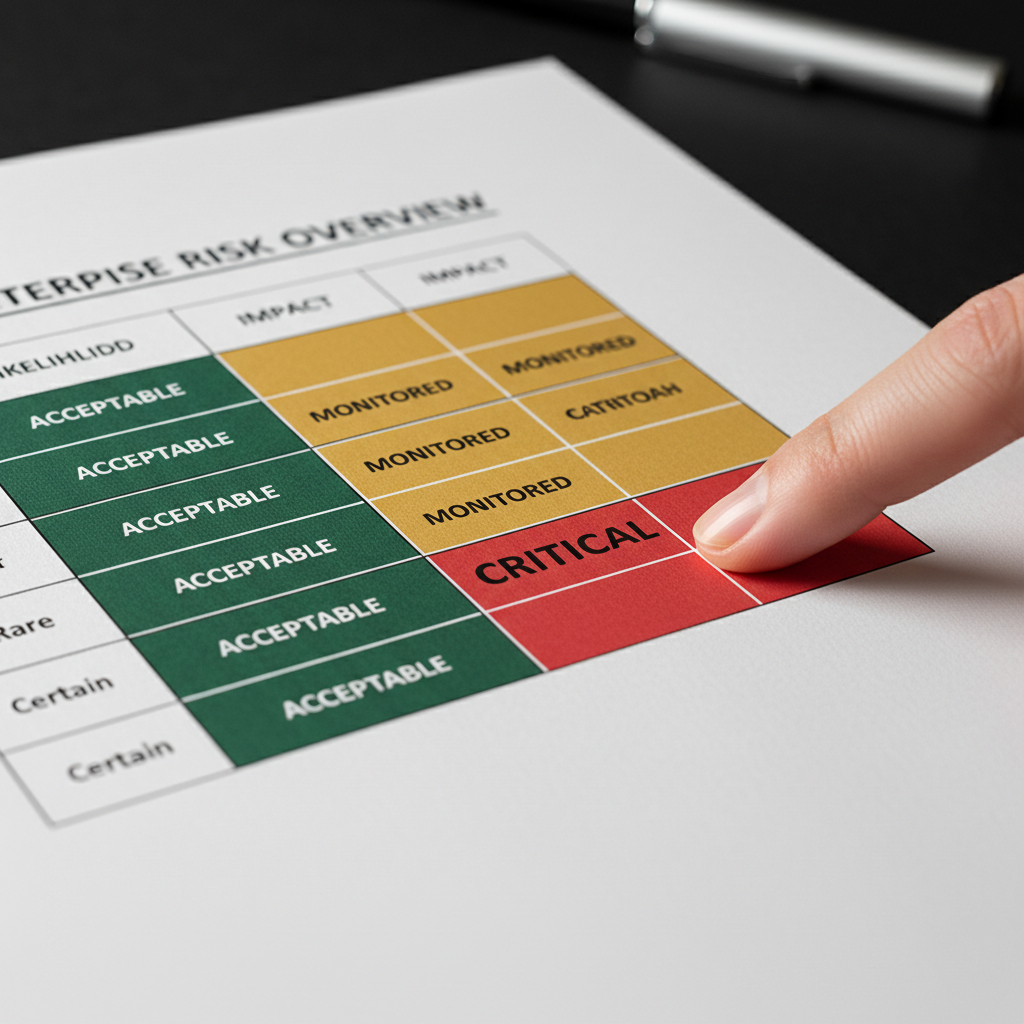
Implementing effective risk management strategies is vital. Use tools such as stop-loss orders to minimize potential losses. Diversification is also key—avoid putting all your capital into a single commodity.
Staying Informed
Commodity markets are highly volatile, and staying updated with the latest news can make a significant difference. Follow financial news channels, subscribe to market analysis reports, and use trading apps that offer real-time updates.
Leveraging Technology
Technology plays a pivotal role in modern commodity trading. Utilize trading platforms that offer advanced analytical tools, charts, and real-time data. Automation tools can also help execute trades swiftly and reduce the emotional influence on trading decisions.
Networking and Community Engagement
Engaging with fellow traders and joining commodity trading communities can provide valuable insights and support. Networking with experienced traders can offer new perspectives and strategies, helping you refine your approach.

In conclusion, successful commodity trading in California requires a blend of education, strategic planning, and the effective use of technology. By staying informed and adapting to market changes, traders can navigate the complexities of this market and achieve their financial goals.