Seasonal Trends in Commodity Trading: What to Expect


Commodity trading is a dynamic field that sees fluctuations influenced by various factors, including seasonal trends. Understanding these trends can provide traders with valuable insights and help them make informed decisions. In this post, we'll explore some of the key seasonal trends in commodity trading and what traders can expect.
Understanding Seasonality in Commodities
Seasonality in commodities refers to predictable patterns that occur at certain times of the year. These patterns can be influenced by weather conditions, agricultural cycles, and consumer behavior. For instance, agricultural commodities like corn and wheat often experience seasonal price changes due to planting and harvest periods.
Traders who can anticipate these seasonal movements can better position themselves to capitalize on price shifts. This requires not only historical data analysis but also an understanding of current market conditions and external factors that might affect these patterns.
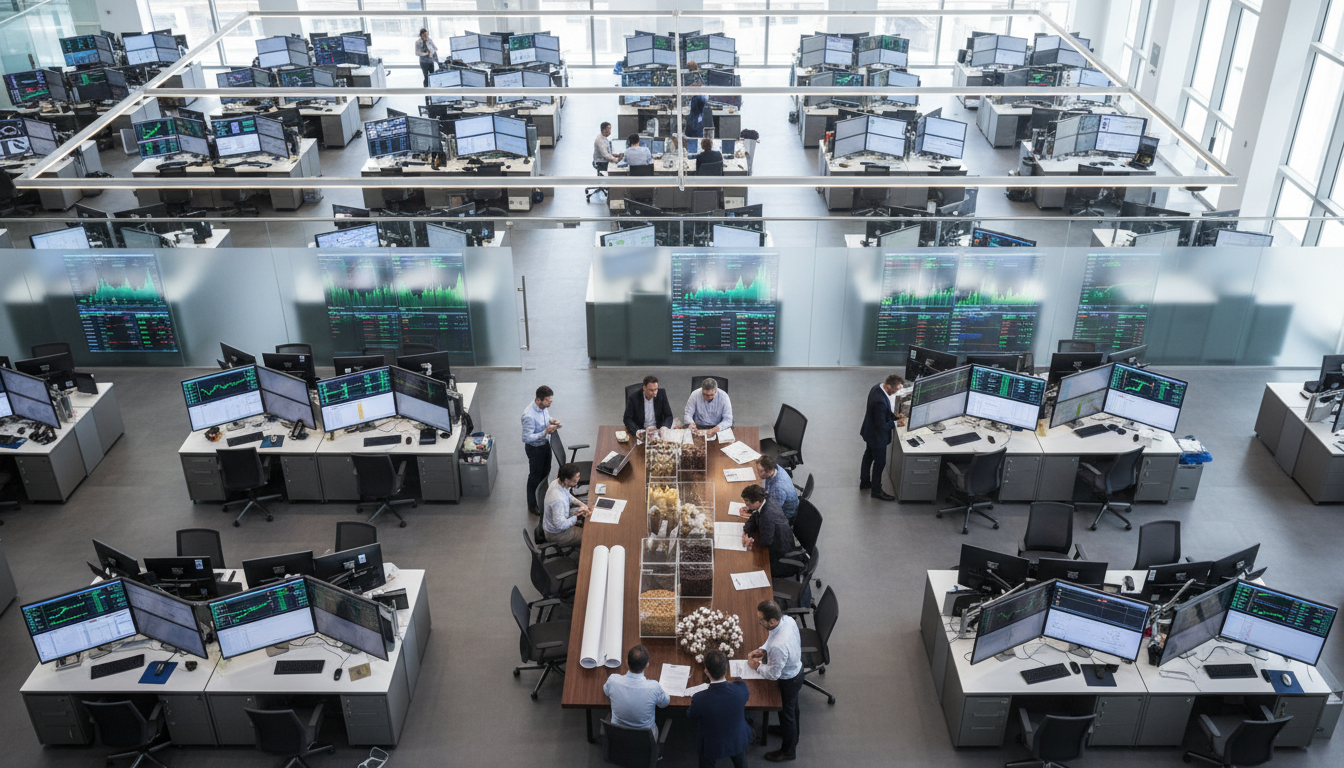
Agricultural Commodities
Agricultural commodities often exhibit strong seasonal trends due to their dependence on planting and harvest schedules. For example, corn prices may rise during planting season due to uncertainty and fall after harvest as supply increases. Similarly, wheat and soybeans follow distinct cycles that traders must be aware of.
Weather is a critical factor in this sector. Unusual weather conditions can disrupt these predictable patterns, leading to unexpected price volatility. Traders must stay informed about weather forecasts and potential impacts on crop yields.

Energy Commodities
Energy commodities such as oil and natural gas also display seasonality, albeit in different ways. Demand for oil often peaks in the summer months due to increased travel and transportation needs. Conversely, natural gas demand might rise in winter as heating requirements grow.
Political events, technological advancements, and regulatory changes can further influence these seasonal patterns. Traders should monitor global news and industry developments to anticipate potential disruptions or opportunities.

Metals and Precious Metals
Seasonal trends in metals, including precious metals like gold and silver, can be subtler. Industrial metals might see increased demand and price shifts due to manufacturing cycles. Gold, traditionally viewed as a safe-haven asset, may experience fluctuations based on geopolitical tensions and economic stability.
Investors often turn to precious metals during periods of uncertainty, which can lead to spikes in demand and prices. Understanding the broader economic context is crucial for traders in this sector.
Strategies for Leveraging Seasonal Trends
Traders can employ various strategies to take advantage of seasonal trends. One approach is to use historical price data to predict future movements and adjust positions accordingly. Technical analysis tools can also help identify patterns and potential entry or exit points.
- Study historical price trends.
- Monitor current market conditions and external factors.
- Utilize technical analysis and forecasting tools.
By combining these strategies with a keen understanding of market dynamics, traders can enhance their ability to profit from seasonal trends in commodities. Staying informed and being adaptable are key components of successful trading.