Seasonal Trends in Small Commodity Wholesale: What to Expect


Understanding Seasonal Trends in Small Commodity Wholesale
As the seasons change, so do the demands and opportunities within the small commodity wholesale market. Recognizing and adapting to these shifts can be crucial for wholesalers looking to maximize their profits and meet customer needs effectively. Whether it's gearing up for holiday sales or adjusting to summer demands, staying informed on seasonal trends can make a significant difference.
Winter: The Holiday Rush
Winter is synonymous with the holiday season, a time when consumer spending typically reaches its peak. Wholesalers should prepare for increased demand in categories like decorations, gifts, and winter apparel. It's also a time when businesses must ensure they have adequate stock to meet the influx of orders, especially for items that are popular holiday gifts.
Key strategies during this season include early inventory assessments and forming strategic alliances with suppliers to secure the best deals. Offering promotions and discounts can also attract more clients looking to stock up for the holidays.
Spring: Renewal and Replenishment
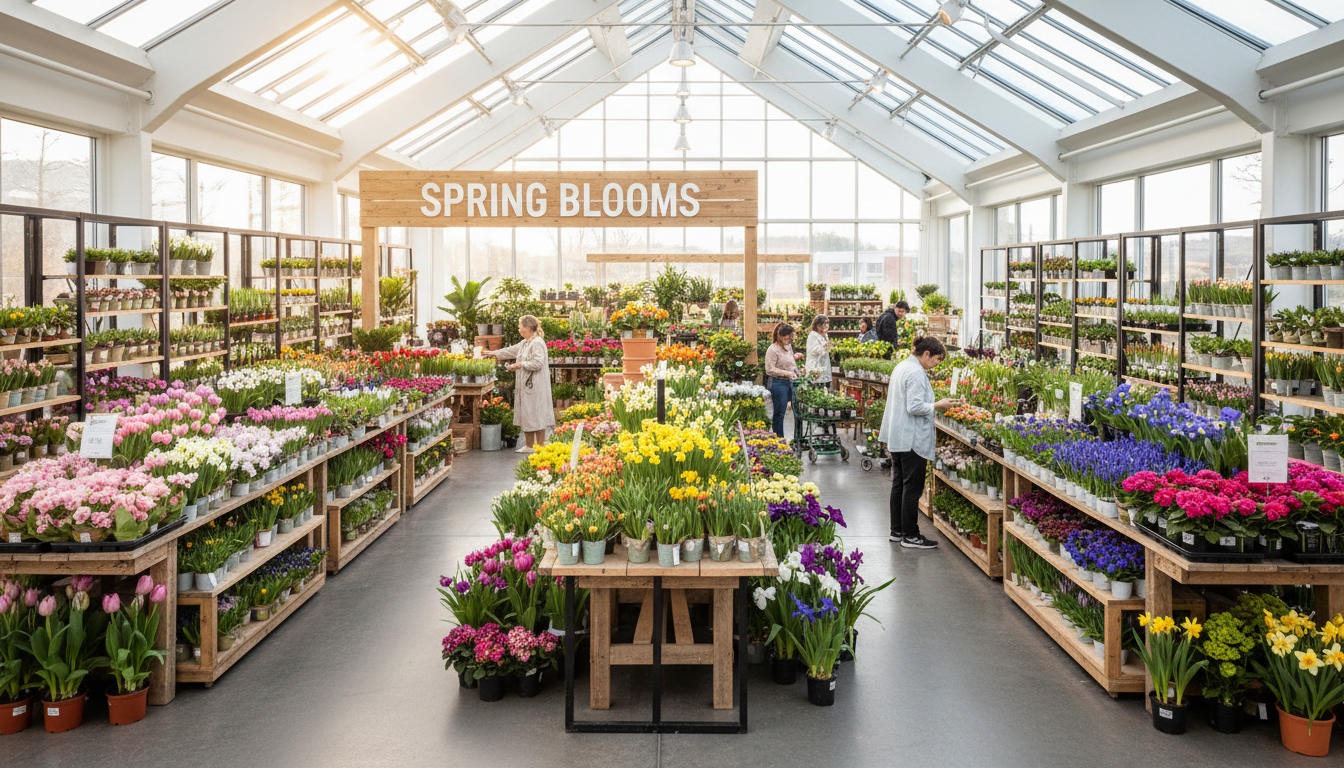
Spring represents a time of renewal, both in nature and in consumer behavior. As people emerge from winter, there's often a surge in purchases related to home improvement, gardening, and outdoor activities. Wholesalers should focus on items that cater to these areas, such as tools, seeds, and outdoor furniture.
Additionally, spring cleaning trends suggest a demand for cleaning supplies and organizational products. Keeping an eye on popular trends in home decor and lifestyle can also provide wholesalers with insights into what might sell best during this time.
Summer: Leisure and Lifestyle
Summer brings a focus on leisure and lifestyle, with consumers often looking for products that enhance their outdoor experiences. Items such as barbecue equipment, summer apparel, and travel accessories typically see an uptick in demand. Wholesalers should capitalize on these trends by ensuring a diverse range of products that cater to summer activities.

It's also beneficial to consider regional variations in demand based on climate and local events. For instance, areas with beaches might see higher demand for swimwear, while urban centers could have a greater need for portable electronics and travel goods.
Fall: Back-to-School and Preparation
Fall is a transitional period where back-to-school shopping dominates, followed by preparation for the upcoming winter months. Wholesalers should stock up on educational supplies, electronics, and clothing during this time. This season also offers a chance to clear out summer inventory and prepare for the holiday rush.
Understanding the timing of school openings and holiday preparations can help wholesalers plan their inventory and marketing strategies effectively. Offering bundled deals or seasonal promotions can attract price-conscious buyers.
Adapting to Seasonal Changes
Successful wholesalers stay ahead by not only understanding these seasonal trends but also by being adaptable. This means continuously analyzing sales data, staying informed on market trends, and maintaining strong relationships with suppliers. By doing so, businesses can ensure they are always ready to meet the changing demands of each season.

In conclusion, being proactive and responsive to seasonal trends in small commodity wholesale can lead to improved sales, better customer satisfaction, and long-term business growth. As each season brings its unique opportunities, staying informed and prepared is the key to success.