The Impact of Environmental Factors on Commodity Wholesale in Los Angeles


Los Angeles is a bustling hub for commodity wholesale, where environmental factors play a pivotal role in shaping the industry. Understanding these influences is crucial for businesses aiming to thrive in this dynamic market.
Climate and Its Influence on Commodity Availability
The climate of Los Angeles, characterized by its Mediterranean conditions, significantly affects the availability of certain commodities. The region's mild, wet winters and hot, dry summers can impact agricultural outputs, which in turn, influences the wholesale market.
For instance, water-intensive crops may suffer during droughts, leading to reduced supply and increased prices. Wholesalers need to adapt to these fluctuations by diversifying their sources and building strong relationships with suppliers.
Weather Patterns and Transportation
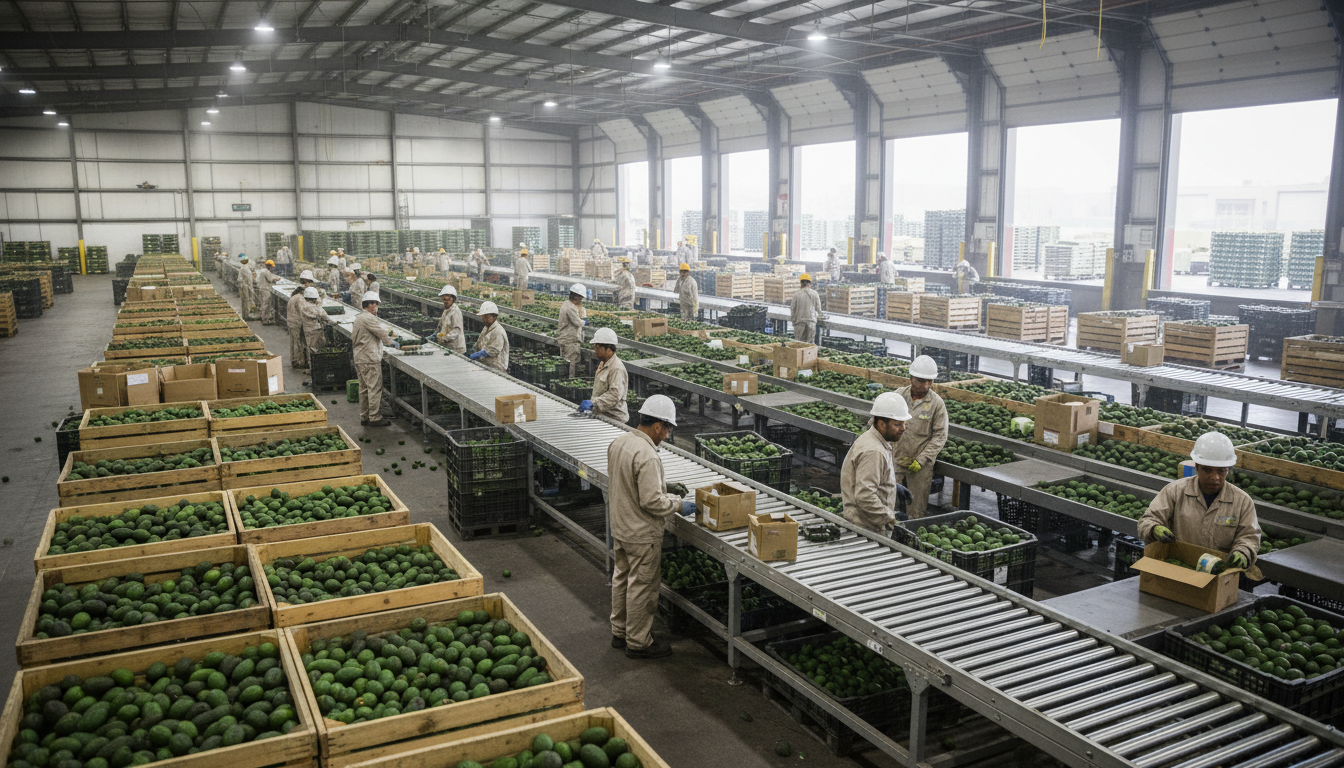
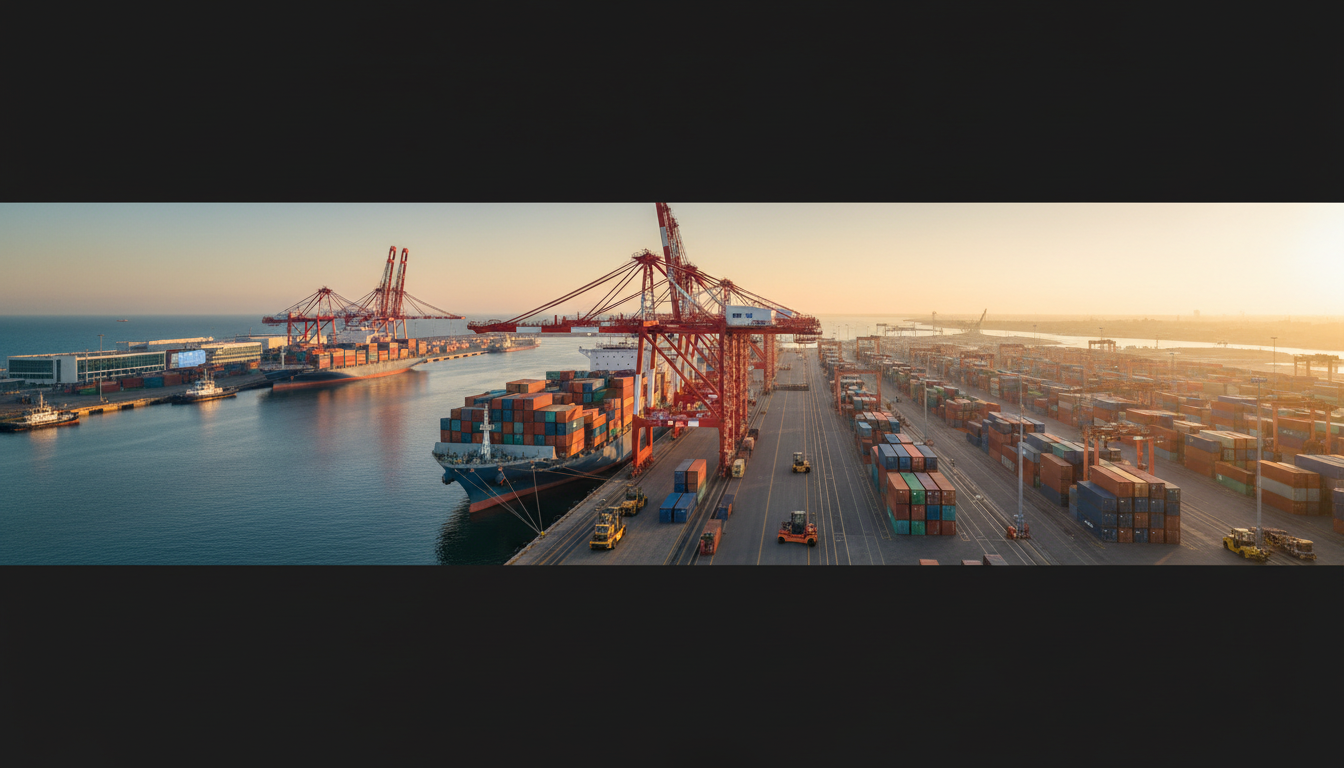
Weather patterns, including occasional heavy rains and storms, can disrupt transportation and logistics. The port of Los Angeles, one of the busiest in the world, is particularly susceptible to such disruptions, which can delay shipments and affect the supply chain.
Wholesalers must have contingency plans in place to mitigate these risks, such as alternative routes or storage facilities, ensuring that their operations remain smooth despite environmental challenges.
Regulatory Influences and Sustainability Practices
Environmental regulations in California are among the strictest in the United States. These laws can affect the commodity wholesale sector by imposing limitations on certain practices, thereby influencing operational costs and strategies.
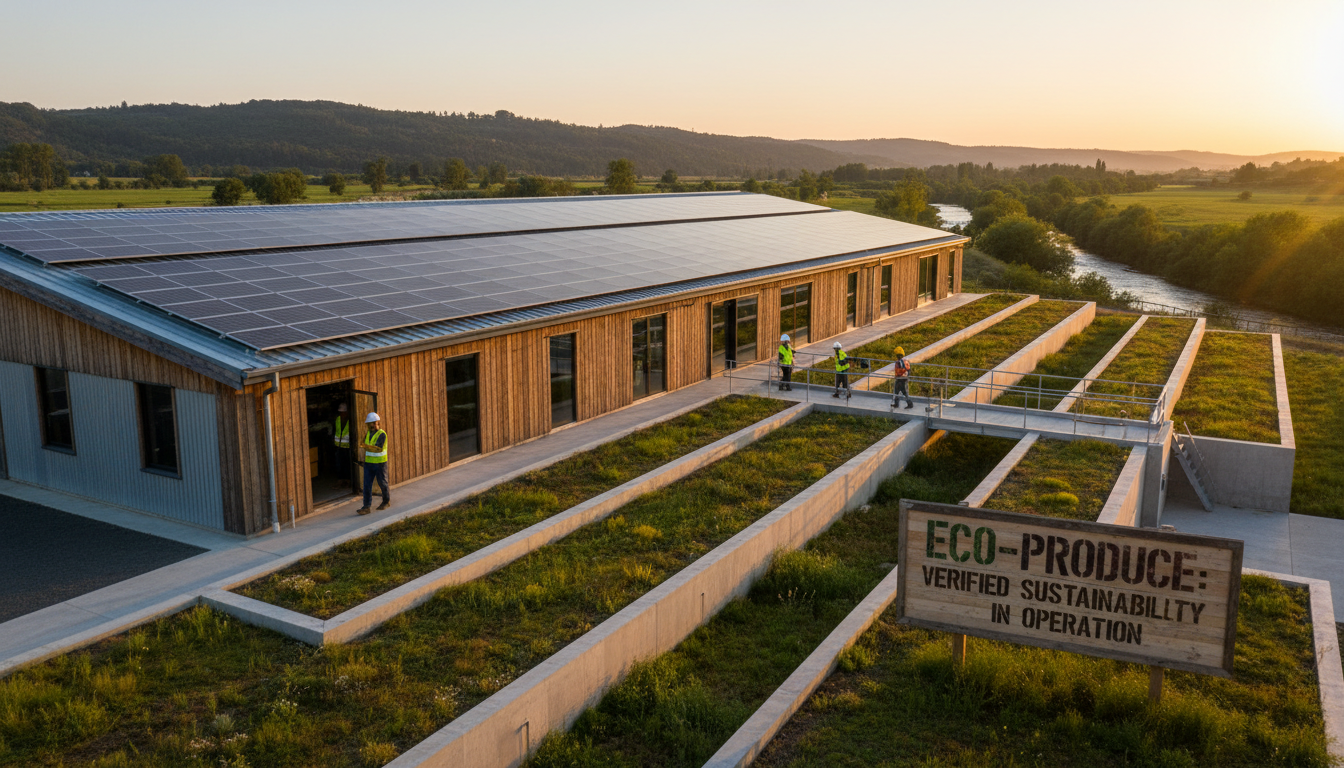
Businesses are increasingly adopting sustainable practices to comply with regulations and appeal to environmentally conscious consumers. This shift not only helps in reducing environmental impact but also enhances brand reputation and customer loyalty.
Impact on Pricing and Market Trends
The interplay between environmental factors and commodity pricing is complex. Droughts, for example, can lead to scarcity, driving prices up. Conversely, favorable weather conditions can result in bumper crops, leading to lower prices.
Wholesalers must stay informed about these trends to make strategic purchasing decisions. Utilizing data analytics and market research can provide valuable insights into potential price fluctuations and help businesses remain competitive.
Technological Advancements and Environmental Adaptation
Technology is playing an increasingly vital role in helping wholesalers adapt to environmental challenges. Innovations such as predictive analytics and IoT devices allow businesses to monitor weather patterns and optimize supply chain operations.
By leveraging technology, wholesalers can improve their resilience against environmental disruptions, ensuring a stable supply of commodities to meet market demands.

In conclusion, the impact of environmental factors on commodity wholesale in Los Angeles is multifaceted and significant. By understanding these influences and adapting accordingly, businesses can position themselves for success in this ever-evolving landscape.