Top 5 Trends in Small Commodity Trading You Should Know


Understanding the Dynamics of Small Commodity Trading
Small commodity trading is a dynamic and ever-evolving sector. With global markets becoming more interconnected, traders need to stay informed about the latest trends to remain competitive. This blog post will explore the top five trends shaping small commodity trading today, helping you navigate this complex landscape.
Before diving into the trends, it's essential to understand the basics of small commodity trading. This sector involves the exchange of goods such as metals, agricultural products, and energy resources. These commodities are typically traded on a smaller scale compared to major exchanges.
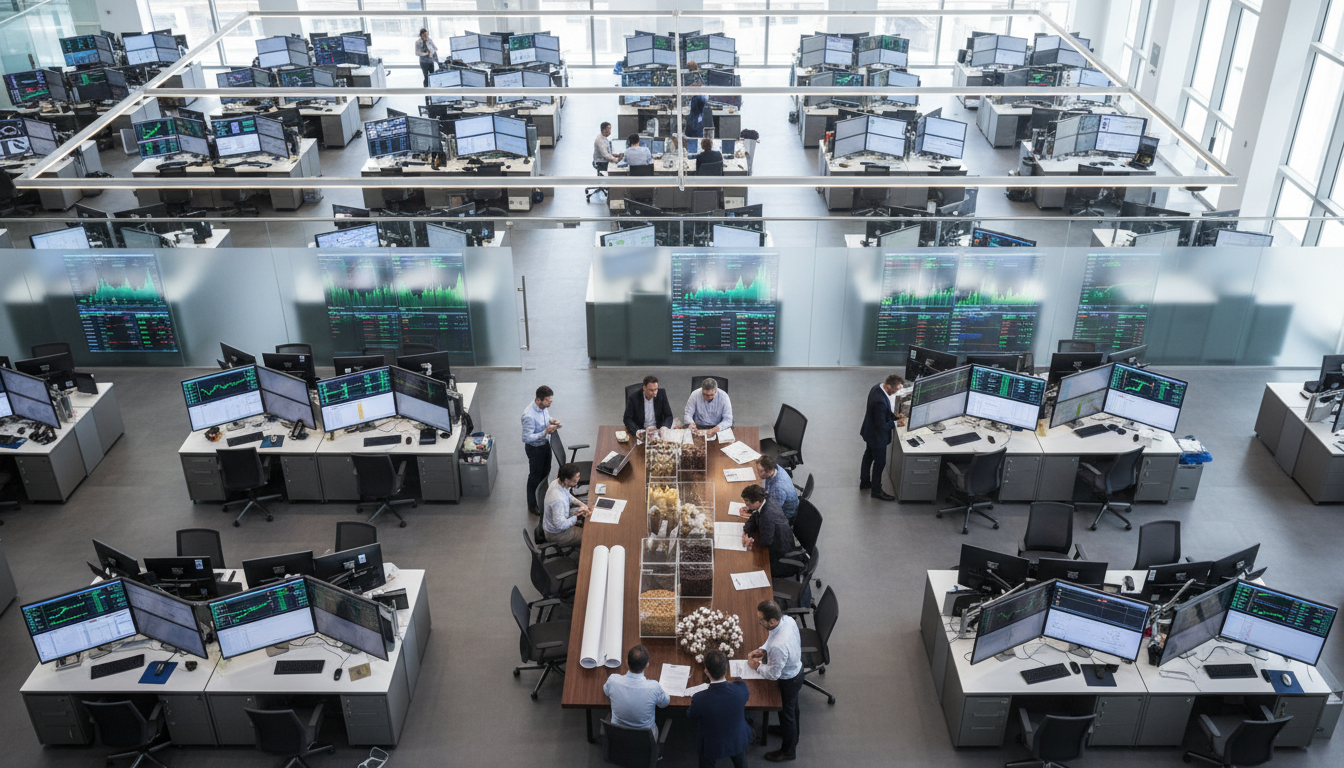
Trend 1: Digital Transformation
The first significant trend is the digital transformation of commodity trading. With advancements in technology, traders are increasingly leveraging digital platforms to streamline operations. These platforms offer real-time data analytics, automated trading systems, and enhanced security features.
Digital tools are not only increasing efficiency but also providing traders with valuable insights. This transformation is making commodity trading more accessible to small and medium-sized enterprises (SMEs), allowing them to compete with larger players.
Trend 2: Sustainable and Ethical Trading Practices
Sustainability is no longer just a buzzword; it's a critical component of modern trading strategies. Consumers and investors alike demand transparency and ethical sourcing of commodities. As a result, traders are adopting sustainable practices to meet these expectations.
Companies are now focusing on reducing their carbon footprint and ensuring fair trade practices. This shift not only helps the environment but also enhances the brand reputation of businesses involved in commodity trading.

Trend 3: Increasing Volatility and Risk Management
Commodity markets are inherently volatile, and recent geopolitical tensions have only increased this unpredictability. Traders need to employ sophisticated risk management strategies to navigate the ups and downs of the market.
Hedging and diversification are becoming essential tools for traders. By using these strategies, they can protect themselves against price fluctuations and maintain stable profits.
Trend 4: Blockchain Technology
Blockchain technology is revolutionizing the way commodities are traded. This decentralized ledger system offers enhanced transparency, traceability, and security. Traders can track the entire lifecycle of a commodity, from production to delivery.
This technology also reduces the risk of fraud and ensures that all transactions are conducted in a secure environment. Blockchain is quickly becoming a cornerstone of modern commodity trading practices.

Trend 5: Globalization and Market Expansion
The globalization of markets is opening up new opportunities for small commodity traders. With the ability to connect with international markets, traders can expand their reach and tap into new customer bases.
However, globalization also brings challenges. Traders must navigate different regulations and cultural nuances to succeed in foreign markets. Understanding these dynamics is crucial for those looking to expand their operations globally.
In conclusion, small commodity trading is a vibrant and challenging field. By staying informed about these trends, traders can position themselves for success in this competitive landscape. Embracing digital transformation, sustainable practices, advanced risk management, blockchain technology, and globalization will be key to thriving in the years to come.