Top Commodity Trading Trends and Innovations to Watch


Introduction to Commodity Trading Trends
In the ever-evolving world of commodity trading, staying ahead of the curve is essential. As markets become more complex and interconnected, traders need to be aware of emerging trends and innovations that can impact their strategies and outcomes. This post explores some of the top trends and innovations shaping the future of commodity trading.
Technological Innovations
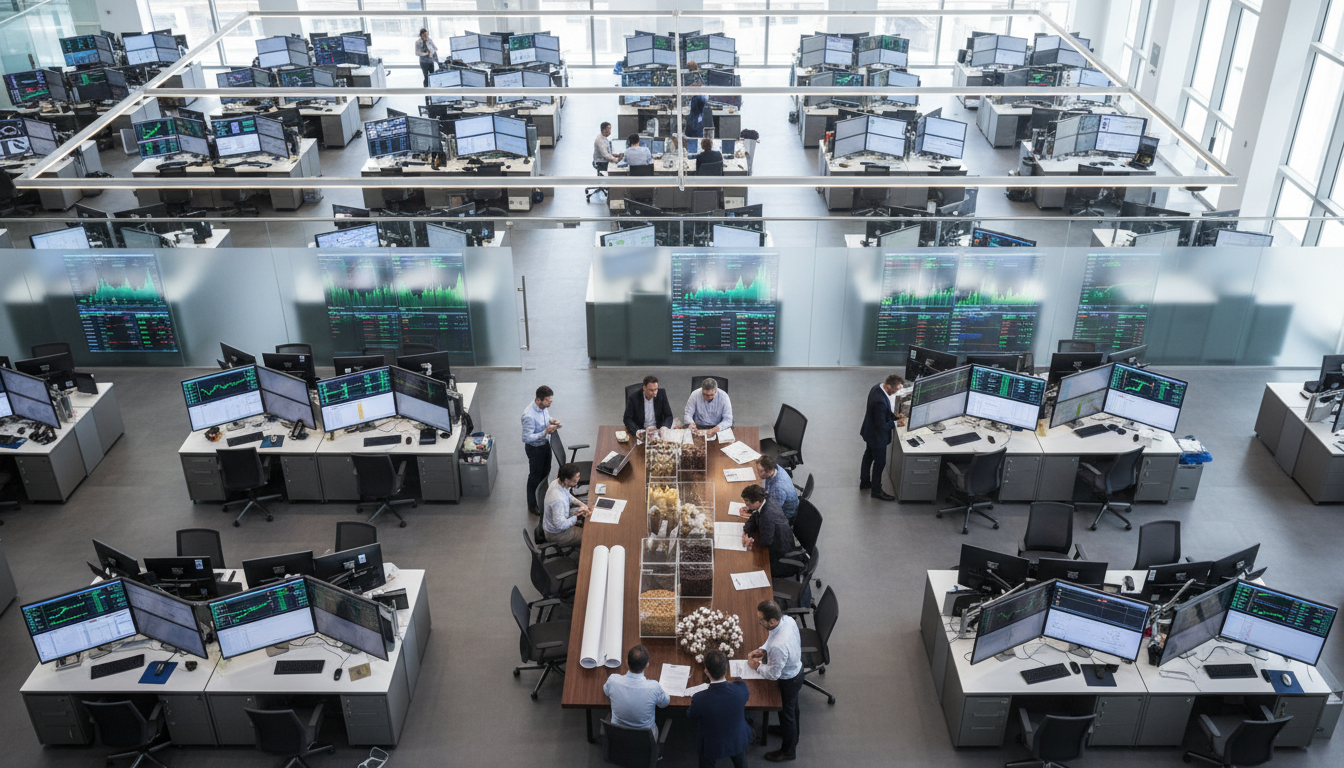
Technology continues to revolutionize commodity trading. Advanced algorithms and artificial intelligence are increasingly used to predict market movements and automate trading processes. These technologies enhance efficiency and reduce the margin for human error, making trading more accessible and precise.
Blockchain technology is another game-changer. By providing a transparent and secure platform for transactions, blockchain reduces fraud and enhances trust among trading partners. This innovation is particularly significant in commodities like gold and oil, where authenticity and traceability are crucial.

Sustainability and Ethical Trading
Sustainability is no longer just a buzzword; it's a critical component of commodity trading. Investors and consumers alike are demanding more ethical and environmentally friendly practices. As a result, commodities like sustainable agriculture and renewable energy sources are gaining traction.
Traders are increasingly looking for opportunities in markets that prioritize sustainable and ethical practices. This trend is expected to grow as awareness and regulatory pressures increase globally.
Geopolitical Influences and Market Volatility
Geopolitical events significantly impact commodity markets. Trade tensions, political instability, and international agreements can cause market volatility, affecting prices and availability. Traders need to stay informed about global events and their potential impacts on commodities.

Understanding these influences helps traders make informed decisions and hedge against potential risks. Strategic planning and risk management become paramount in navigating these challenges.
Data Analytics and Market Insights
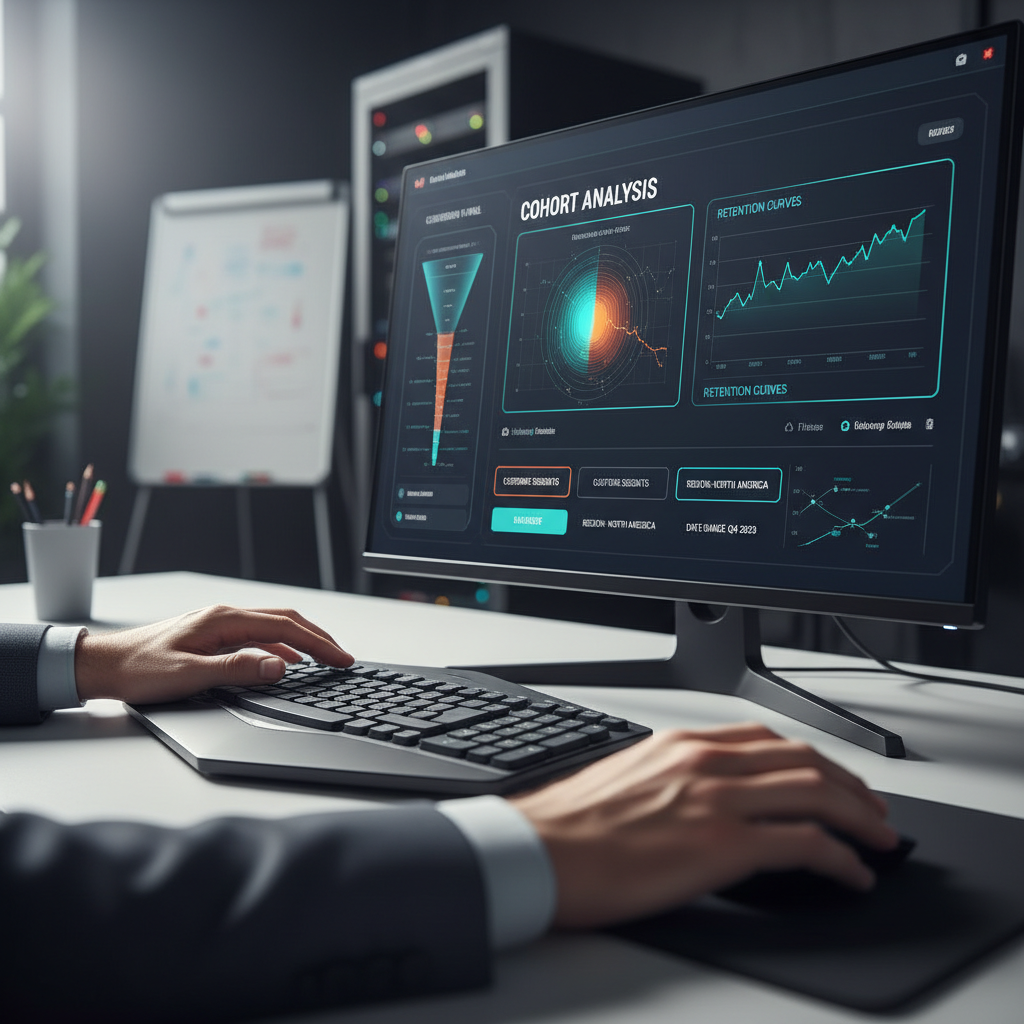
The use of data analytics is becoming more prevalent in commodity trading. Traders leverage big data to gain insights into market trends, consumer behavior, and price fluctuations. This information helps in making informed trading decisions and predicting future movements.
Advanced analytics tools provide traders with real-time data, enabling them to respond swiftly to market changes. This capability is crucial in maintaining a competitive edge in the fast-paced trading environment.
Conclusion
The landscape of commodity trading is rapidly changing, driven by technological advancements, sustainability concerns, geopolitical factors, and data analytics. By understanding and adapting to these trends and innovations, traders can position themselves for success in a competitive market.
As the industry continues to evolve, staying informed and agile is key. Embracing these changes will not only enhance trading strategies but also contribute to a more sustainable and efficient global market.