Top Trends in Small Commodity Trading: What to Expect


Understanding the Small Commodity Trading Landscape
Small commodity trading is a dynamic sector that continuously evolves with global economic trends and technological advancements. As markets become more interconnected, traders must stay informed about key trends that influence trading strategies and decision-making.
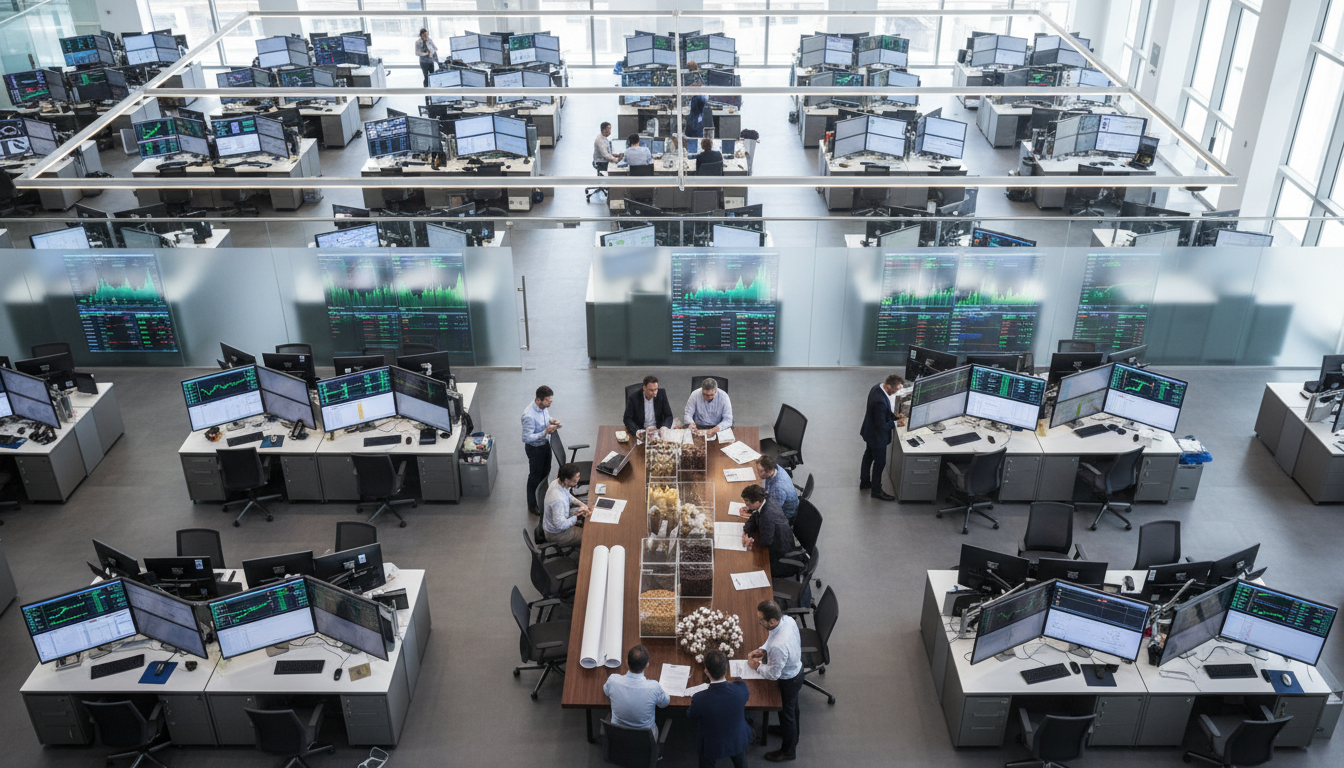
In recent years, we've seen significant shifts driven by digital transformation, regulatory changes, and market demand fluctuations. As a result, traders and investors need to be agile and ready to adapt to these changes to capitalize on opportunities.
The Rise of Digital Platforms
One of the most notable trends in small commodity trading is the rise of digital platforms. These platforms have made trading more accessible, allowing smaller players to enter the market with ease. They offer real-time data, analytics, and streamlined transaction processes.
Moreover, digital platforms facilitate better communication and collaboration among traders. This connectivity is crucial for responding to market changes quickly and efficiently. Traders can leverage these tools to gain insights and make informed decisions.

Blockchain Technology
Blockchain is another technological advancement reshaping the trading landscape. By providing a secure and transparent way to record transactions, blockchain enhances trust and reduces the risk of fraud. This technology is particularly beneficial for commodities like precious metals and agricultural products, where provenance and authenticity are critical.
Sustainability and Ethical Sourcing
Increasingly, consumers and businesses are prioritizing sustainability and ethical sourcing. This trend is influencing how commodities are traded, with more emphasis on environmentally friendly practices and fair trade. Traders are now required to ensure that their supply chains adhere to these values.
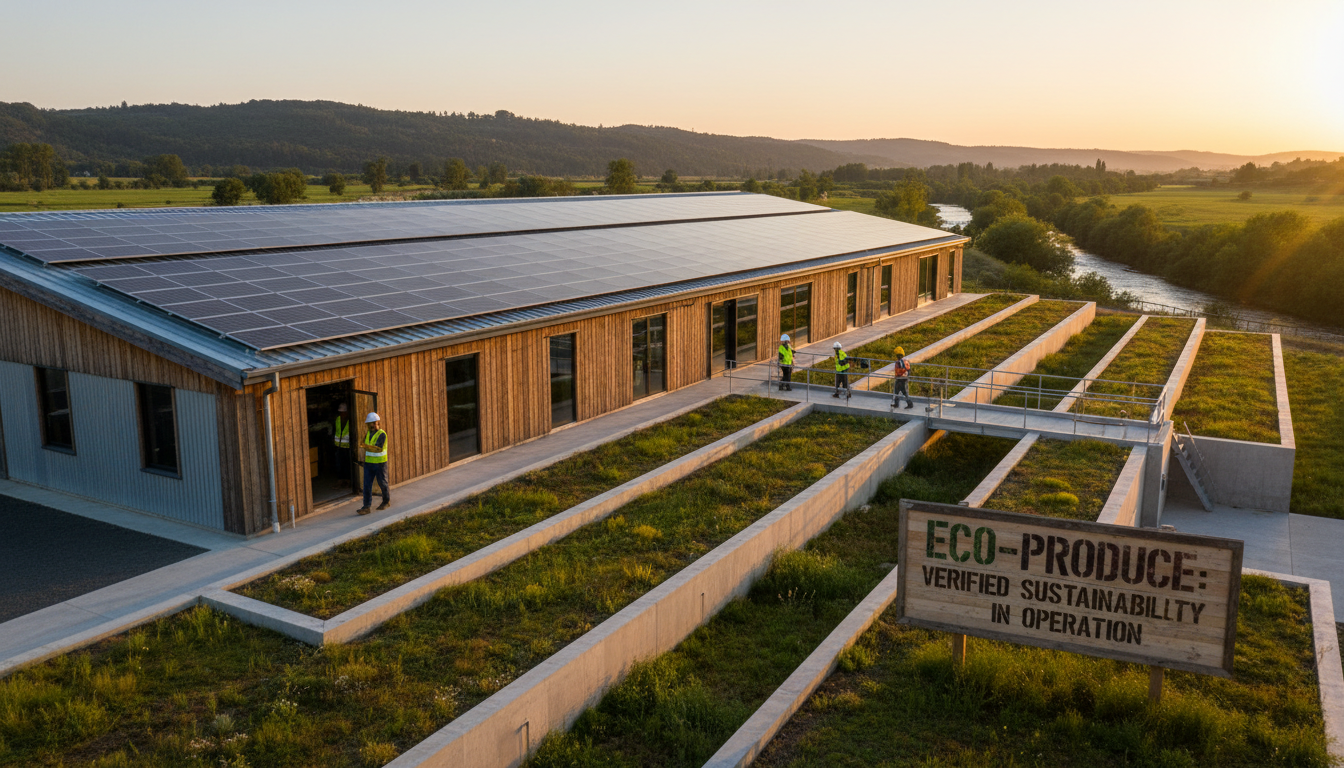
As a result, commodities that are sustainably sourced are often more attractive to buyers, potentially commanding higher prices. This shift encourages traders to adopt sustainable practices, not only for ethical reasons but also for economic benefits.
Regulatory Changes
Regulatory environments are constantly evolving, impacting how commodities are traded globally. Traders must stay abreast of changes in regulations, as non-compliance can result in significant penalties and disrupt trading activities.
It's essential for traders to have a comprehensive understanding of both local and international regulations. This knowledge helps them navigate the complexities of the market and maintain compliance effectively.
Market Volatility and Risk Management
Market volatility remains a constant challenge in commodity trading. Factors such as geopolitical tensions, natural disasters, and economic shifts can lead to unpredictable price movements. Effective risk management strategies are crucial for mitigating potential losses.

Traders are increasingly using advanced analytics and forecasting tools to anticipate market trends and adjust their strategies accordingly. By doing so, they can better manage risks and seize opportunities as they arise.
Conclusion
The landscape of small commodity trading is continuously changing, driven by technological advancements, consumer preferences, and regulatory shifts. Staying informed about these trends is essential for traders looking to succeed in this competitive market. By leveraging digital tools, adopting sustainable practices, and understanding regulatory requirements, traders can navigate the complexities of the market and achieve their trading goals.