Understanding the Regulations for Importing Commodities into Los Angeles


Understanding Import Regulations in Los Angeles
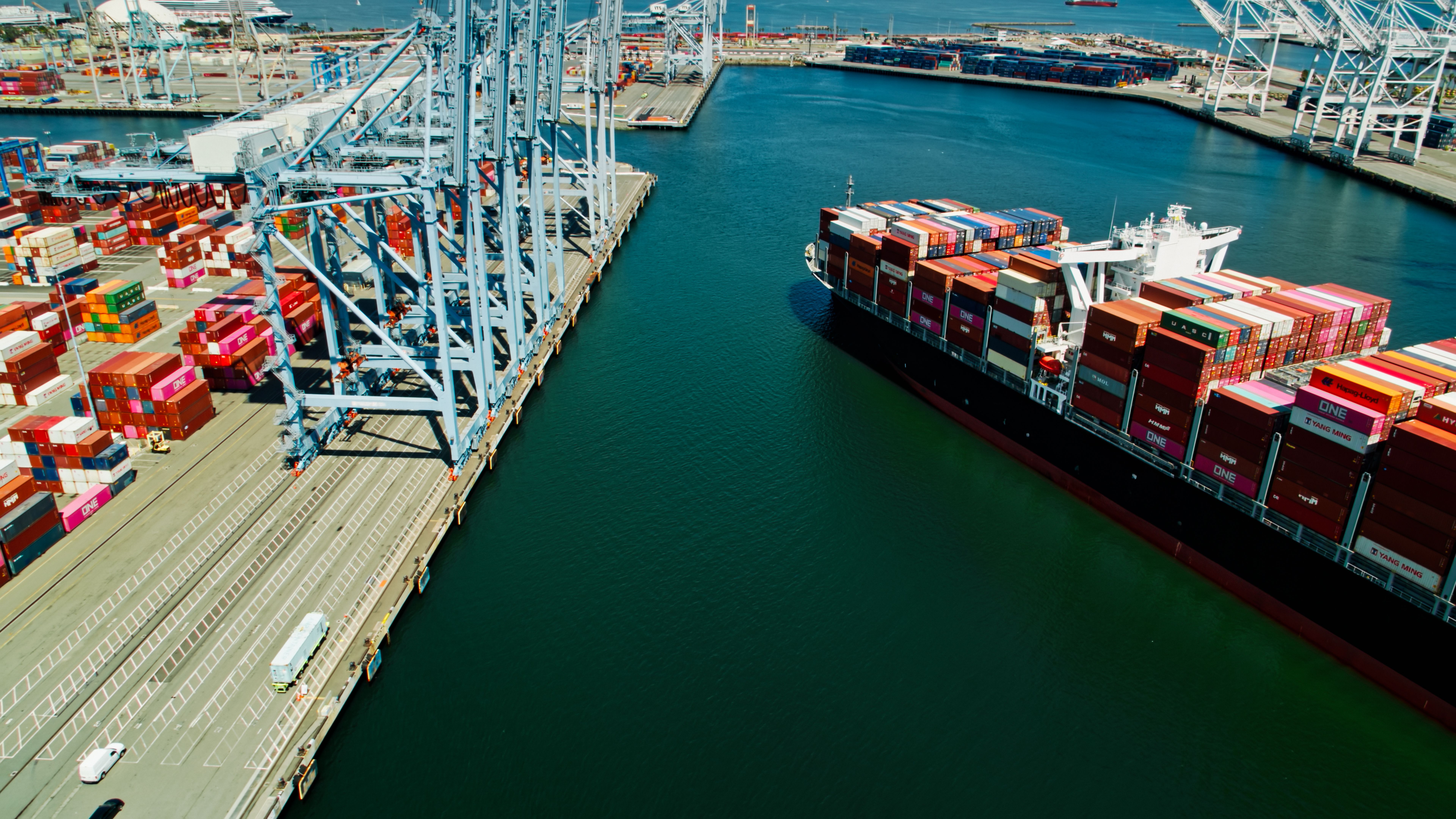
Importing commodities into Los Angeles, one of the busiest ports in the United States, involves navigating a complex set of regulations. Comprehending these rules is crucial for businesses to ensure smooth operations and avoid potential legal issues. In this guide, we'll explore the key aspects of import regulations in Los Angeles.
Key Regulatory Bodies
The import process in Los Angeles is governed by several regulatory bodies. The U.S. Customs and Border Protection (CBP) is the primary agency responsible for overseeing imports. They ensure that all goods entering the country comply with U.S. laws and regulations. Additionally, the Food and Drug Administration (FDA) and the Environmental Protection Agency (EPA) may also be involved, depending on the nature of the commodities.
Understanding the roles of these agencies is essential for importers. Each agency has specific requirements that must be met to ensure compliance. Businesses should stay informed about updates and changes to regulations to avoid potential fines or delays.
Documentation Requirements
Proper documentation is a critical aspect of the import process. Importers must provide accurate and complete documentation for their shipments. This typically includes a Commercial Invoice, a Packing List, a Bill of Lading, and any required permits or licenses.

Failure to present the necessary documentation can lead to delays, additional inspections, or even the seizure of goods. It's advisable for importers to work closely with customs brokers who are well-versed in regulatory requirements to ensure all paperwork is in order.
Tariffs and Duties
Understanding tariffs and duties is another crucial element of importing commodities into Los Angeles. The amount of duty owed depends on the type of goods being imported, their value, and their country of origin. The Harmonized Tariff Schedule (HTS) is used to classify goods and determine applicable duties.
Importers should be aware that tariffs can significantly impact the cost of goods. It's important to conduct thorough research or consult with experts to understand how tariffs will affect your bottom line and explore strategies for minimizing costs.

Compliance with Safety Standards
Ensuring compliance with safety standards is essential when importing goods into Los Angeles. Certain commodities, such as electronics, toys, and food products, must meet specific safety standards before they can be sold in the U.S. market.
Importers should verify that their products comply with relevant safety standards and obtain any necessary certifications from recognized bodies. This will help avoid issues during customs clearance and ensure that products are safe for consumers.
The Role of Customs Brokers
Customs brokers play an invaluable role in the import process. They are licensed professionals who assist importers in navigating the complex regulatory landscape. A skilled customs broker can help ensure compliance with all necessary regulations, handle documentation, calculate duties, and facilitate smooth customs clearance.

By partnering with a reliable customs broker, businesses can focus on other aspects of their operations while ensuring that their import transactions are handled efficiently and in compliance with all regulations.
Staying Informed About Regulatory Changes
The regulatory environment for imports is dynamic, with frequent updates and changes. Importers must stay informed about these changes to maintain compliance. Subscribing to industry newsletters, attending relevant seminars, and participating in trade associations can help businesses keep abreast of new developments.
Staying proactive and informed not only helps in avoiding potential legal issues but also enhances a company’s ability to adapt quickly to changes in the regulatory landscape.
In conclusion, understanding and complying with import regulations in Los Angeles requires diligence and attention to detail. By familiarizing themselves with key regulatory bodies, documentation requirements, tariffs, and safety standards, importers can ensure a seamless import process and successful entry into the U.S. market.